

People who have lost teeth can now have permanent replacements thanks to advances in modern dentistry. We have been practicing at the forefront of this advanced technology since it was introduced in the mid-1980s. With the help of Henry A. Sachs, DDS Stacy Reisfeld, DDS Implant Dentistry & Laser Periodontics, you can now get dental implants in Plainview, NY.
Dr. Sachs’ expertise in precision surgical techniques and his tradition of planning and coordinating the restoration of debilitated dentitions with restorative dentists led to the growth of his role as an implant surgeon. After the implants have been placed, the patient is given a 4-6-month healing period during which the dental implants have integrated (fused) with the bone. The tooth or teeth replacement is then fabricated and attached to the implant by your dentist.
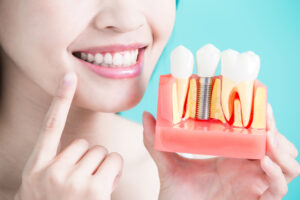
These techniques are highly reliable and consistently result in a comfortable, permanent dental implant replacement of missing teeth. Of course, each patient has their own set of circumstances that must be assessed individually. When the bone level isn’t quite where it needs to be for a good end, Dr. Sachs’ skill in bone grafting and sinus lift techniques allows him to supplement and enhance the bone, leading to the desired result.
With over 20 years of experience replacing teeth with dental implants, Dr. Sachs has placed hundreds of dental implants for patients with a very high success rate. He uses modern computerized equipment to assure the most exact implant placement throughout the treatment planning and placement phase, and he only uses the highest-quality implants from the industry’s leading manufacturers.
Today’s dental implants have a success record of 97-99%. Even so, Dr. Sachs’ office policy protects patients against failure for the first 5 years, ensuring that your investment will endure for many years. Dr. Sachs’ thriving practice reflects his status as one of the greatest periodontists in the profession.
Proper dental implant maintenance is critical for long-term success. Following the placement of your dental implants, we provide superior follow-up care to ensure that they are healthy and functional. Please visit the AAID (American Academy of Implant Dentistry) website or call us immediately for more information.
Not only do dental implants resemble natural teeth in look and feel, but they also help reduce the bone loss and gum recession that often accompanies bridgework and dentures. Furthermore, unlike a bridge, they do not degrade the quality of your nearby teeth by requiring them to be changed to support the implant. Implants are safe and stable, freeing you from the clicks and wobbles of dentures, and the implant’s success rate is very predictable.
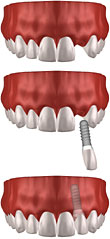
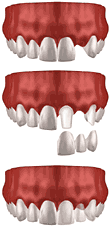
Many patients are apprehensive because they desire dental implants but are unsure if they qualify. Well, worry not because Dr. Sachs and your dentist will decide on this. If you think that implant dentistry is the best decision for you, it is important for you to undergo a dental or radiographic examination as well as a health history.
In addition to standard radiography, Dr. Sachs uses a sophisticated imaging technology called SimPlant. This software evaluates CAT scan data on the computer and simulates implant placement before beginning therapy. The doctor can use this advanced technology to assess your body’s potential to support a dental implant before starting treatment. Accurately analyzing the bone density and volume will also be easy.
With this procedure, your dental implants will last you a lifetime of comfort and usefulness. Dr. Sachs will work with your dentist to design your treatment plan following the diagnostic phase. He will also share the results with you during a therapy meeting with your doctor, who will discuss your individual needs. We value your concerns and questions, and our team will work closely with you to ensure that your operation goes smoothly.
At this time, we’ll also talk about fees and insurance. There are many different types of insurance plans, and implant coverage varies. We will gladly assist you in receiving any benefits that you may be entitled to.
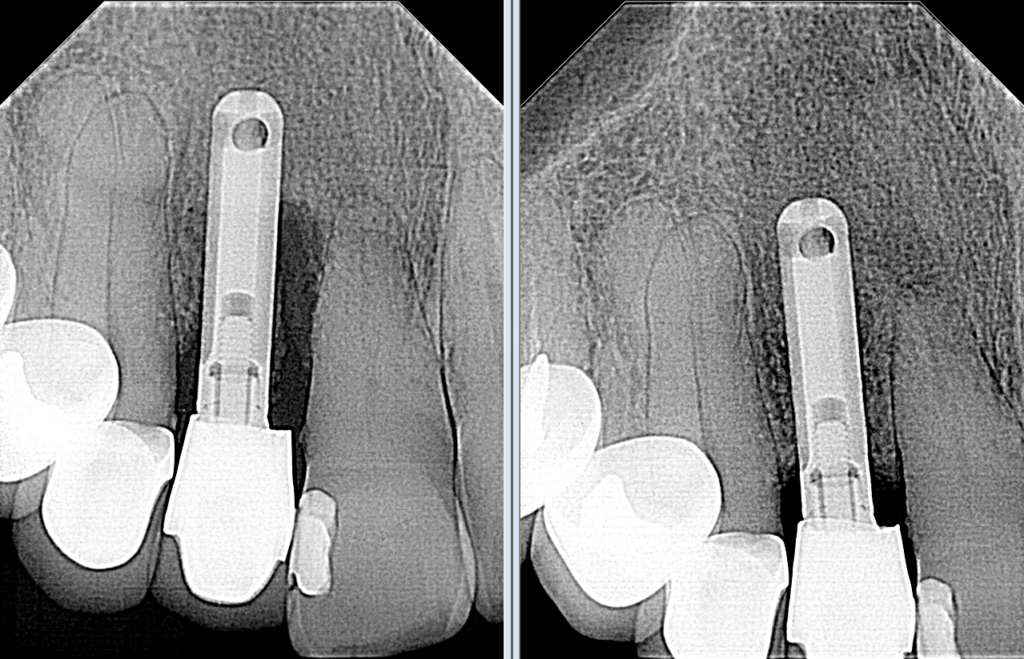
Bone loss can occur for many reasons, such as gum disease, tooth extraction, and even trauma. Bone regeneration is a procedure that restores and heals damaged or lost bone in the jaw. This benefits oral health, stimulating the body’s natural healing process to rebuild bone tissue.
Bone regeneration is performed before or during dental implant treatment to ensure bone volume and stability for long-term implant success. The healing period can vary from a few months to a year, depending on the extent of bone loss and the regenerative technique used.
GBR (guided bone regeneration) is a practice which involves placing a bone graft material in the area of bone deficiency and covering it with a membrane. This membrane prevents soft tissue from growing into the space, allowing bone cells to regenerate effectively.
If you’re looking for a great resource to learn how dental implants work, you’ve come to the right place. Read on to see the essential information we’ve compiled about this process.
The implants are titanium posts that are inserted into the bone and function as tooth root substitutes. However, only the root of the missing tooth is replaced by the implant. To numb your gums and bones, we use local anesthesia. The implant is gently inserted into the bone, where it will undergo the osseointegration process.
The bone develops into the implant’s surface and takes about 6 weeks to 4 months to grow, depending on the bone’s state. During this healing phase, the implants are sometimes submerged beneath the gums. Sometimes, they are left exposed flush with the gums.
A second procedure to expose the implant once it has integrated with the bone will be required if the implants are submerged. If the implant is not submerged, the prosthetic phase can begin once osseointegration is complete. Often, a single tooth can be replaced in three visits and only takes 8-12 weeks.
Your dentist will make the replacement teeth that are held in place by the dental implants. Depending on the sort of restoration, this will take various lengths of time. Before beginning treatment, your dentist will discuss this with you. It’s possible that your implant restoration will be cemented or screwed into place. Implants can be used to replace a single tooth, a group of teeth, or a whole arch of teeth. A loose denture can also be secured with implants.
Like your natural teeth, dental implants will require the same level of care and maintenance if you want to get the most out of them over many years. Brushing and flossing are still necessary at home to keep your implant clean and plaque-free. After flossing, an oral irrigator (i.e., Waterpik®) is strongly suggested. Professional maintenance is also required several times a year. We’ll work together with your dentist to create a maintenance plan tailored to your specific needs.
© 2025 Henry A. Sachs, DDS Stacy Reisfeld, DDS Implant Dentistry & Laser Periodontics. All rights reserved. Website by web.com.